
 Bradley Bryant
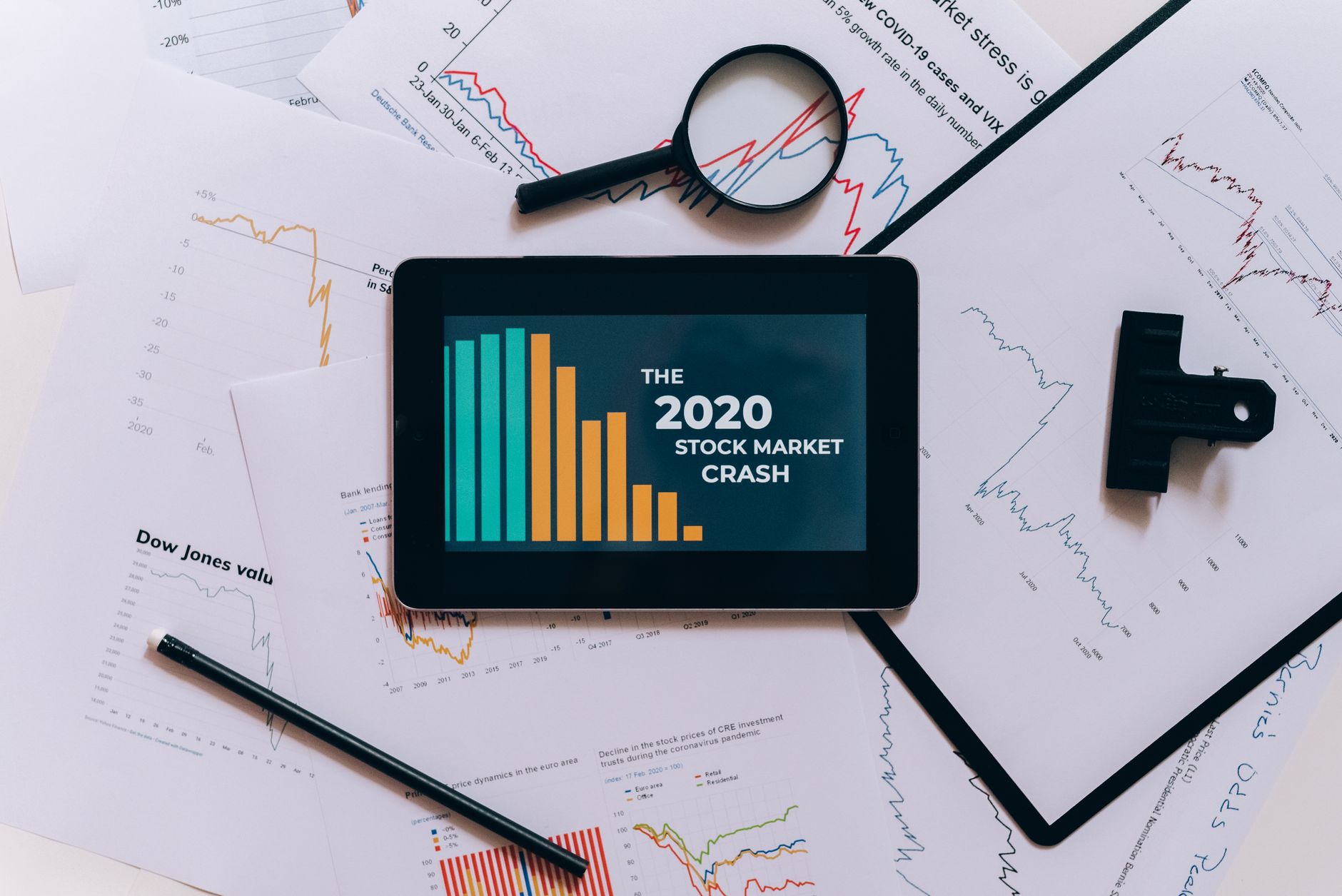
Nifty IT decline has been a significant concern, as the index has tanked for the third consecutive day. Investors are eager to understand the underlying reasons behind this downturn.
Understanding the Nifty IT decline
The recent Nifty IT decline has raised significant concerns among investors and analysts alike. As the sector experiences a downturn for the third consecutive day, it has recorded a staggering 6.5% drop in November alone. The reasons behind this decline are multifaceted, affecting market sentiment.
Several factors are contributing to this trend:
- Global Economic Uncertainty: Fluctuations in international markets have put pressure on IT stocks.
- Rising Input Costs: Increased expenses related to technology and labor are squeezing profit margins.
- Changing Consumer Behavior: A shift in client spending priorities has impacted demand for IT services.
This combination of elements has led to heightened volatility in the sector, prompting a reevaluation of investment strategies among market participants.
Market reactions to IT sector downturn
The recent Nifty IT decline has sent ripples through the broader market, prompting investors to reassess their positions. As the IT sector suffered a substantial downturn for the third consecutive day, market reactions have been swift and varied. Analysts note that the decline has led to a pessimistic sentiment among investors, who are worried about potential future earnings for IT companies.
Key reactions include:
- Increased volatility in IT stocks, with major players experiencing significant losses.
- Sector rotation as investors shift focus to more stable industries, such as consumer goods and healthcare.
- Heightened caution in trading volumes as market participants await clearer signals from the IT sector.
Overall, the ramifications of the Nifty IT decline are being felt across various asset classes, indicating a broader market concern.
Key factors behind Nifty IT fall
The recent Nifty IT decline can be attributed to a combination of several key factors that have shaken investor confidence.
- Global Economic Concerns: Ongoing fears regarding a potential recession in major economies have led to increased volatility in technology stocks.
- Currency Fluctuations: A stronger dollar has negatively impacted IT companies with significant overseas revenue, affecting their profitability.
- Rising Interest Rates: Increasing interest rates have raised borrowing costs, thereby impacting growth prospects for IT firms.
- Profit-Taking: After a period of robust gains, many investors are opting to realize profits, resulting in downward pressure on stock prices.
These factors collectively contribute to the Nifty IT decline, which has seen a notable drop of 6.5% in November so far.
Historical context of IT sector performance
The performance of the IT sector has experienced significant fluctuations over the years, often reflecting broader economic trends. Historically, the Nifty IT index has been a barometer for technology stocks in India, showcasing resilience during periods of growth. However, the recent Nifty IT decline marks a concerning trend, as it is not just a short-term setback but could indicate deeper underlying issues.
In previous downturns, such as the global recession in 2008, the IT sector faced substantial challenges, but it eventually rebounded robustly. Today, investors are closely monitoring the situation, as the current decline has already led to a 6.5% drop in November.
- Economic slowdowns
- Regulatory changes
- Global competition
These factors could play a pivotal role in determining the future trajectory of the Nifty IT sector.
Investor sentiment during declines
Investor sentiment during declines in the Nifty IT sector has shown significant fluctuations, reflecting broader market anxieties. As the Nifty IT decline continues, many investors have expressed concerns over the long-term viability of tech stocks, particularly amidst rising interest rates and geopolitical uncertainties.
Market analysts note that such declines often trigger a cycle of panic selling, where investors rush to liquidate positions to mitigate losses. This reaction can exacerbate the downward trend, leading to further declines in stock prices.
Moreover, some investors are opting to shift their portfolios towards more stable sectors, which they perceive as less volatile compared to the tech industry. The current climate has fostered a sense of caution, with many choosing to wait for signs of recovery before re-entering the market.
- Increased volatility.
- Shift towards defensive stocks.
- Short-term trading strategies gaining popularity.
Future outlook for Nifty IT
The future outlook for the Nifty IT sector remains uncertain as the recent decline has raised concerns among investors. Analysts predict that the Nifty IT decline could continue if current market conditions do not improve. Key factors influencing this outlook include:
- Global Economic Trends: A slowdown in major economies may further impact IT spending.
- Domestic Policy Changes: Any shifts in government policies could either hinder or support recovery.
- Technological Advancements: Companies that adapt to new technologies may perform better amidst the downturn.
- Investor Sentiment: Market confidence will play a crucial role in the recovery of the sector.
While some analysts remain optimistic about a rebound, the path forward for the Nifty IT sector will largely depend on external factors and market dynamics.
Expert opinions on market recovery
Experts are weighing in on the potential for market recovery following the recent Nifty IT decline. Many analysts believe that the downturn, attributed to a combination of global economic pressures and rising interest rates, may lead to a temporary setback for investors. Dr. Anjali Rao, a market strategist, emphasizes the need for cautious optimism. “While the Nifty IT decline is concerning, historical patterns suggest that sectors often rebound after initial sell-offs,” she noted.
Additionally, Mr. Vikram Singh, a financial consultant, points out that the fundamentals of leading IT companies remain strong. “Investors should focus on long-term growth rather than short-term volatility,” he advised. Recovery may not be immediate, but strategic investments during this downturn could yield substantial returns in the future.
As experts continue to analyze the situation, market participants remain vigilant for signs of stabilization in the IT sector.
Photo by Leeloo The First on Pexels