 Bradley Bryant
Nasdaq record streak has come to an end, resulting in a notable decline in stocks and a rise in treasury yields. This shift raises concerns among investors.
Market Overview
In a surprising turn of events, the stock market reacted sharply following the end of the Nasdaq record streak, which had captivated investors for weeks. On September 23, 2026, the Nasdaq Composite Index faced a significant decline, contributing to a broader market downturn. Analysts attribute this drop to a combination of rising Treasury yields and concerns over economic stability.
The aftermath of the Nasdaq’s record streak has left many investors on edge, as fears of inflation and interest rate hikes loom large. The following points highlight the current market situation:
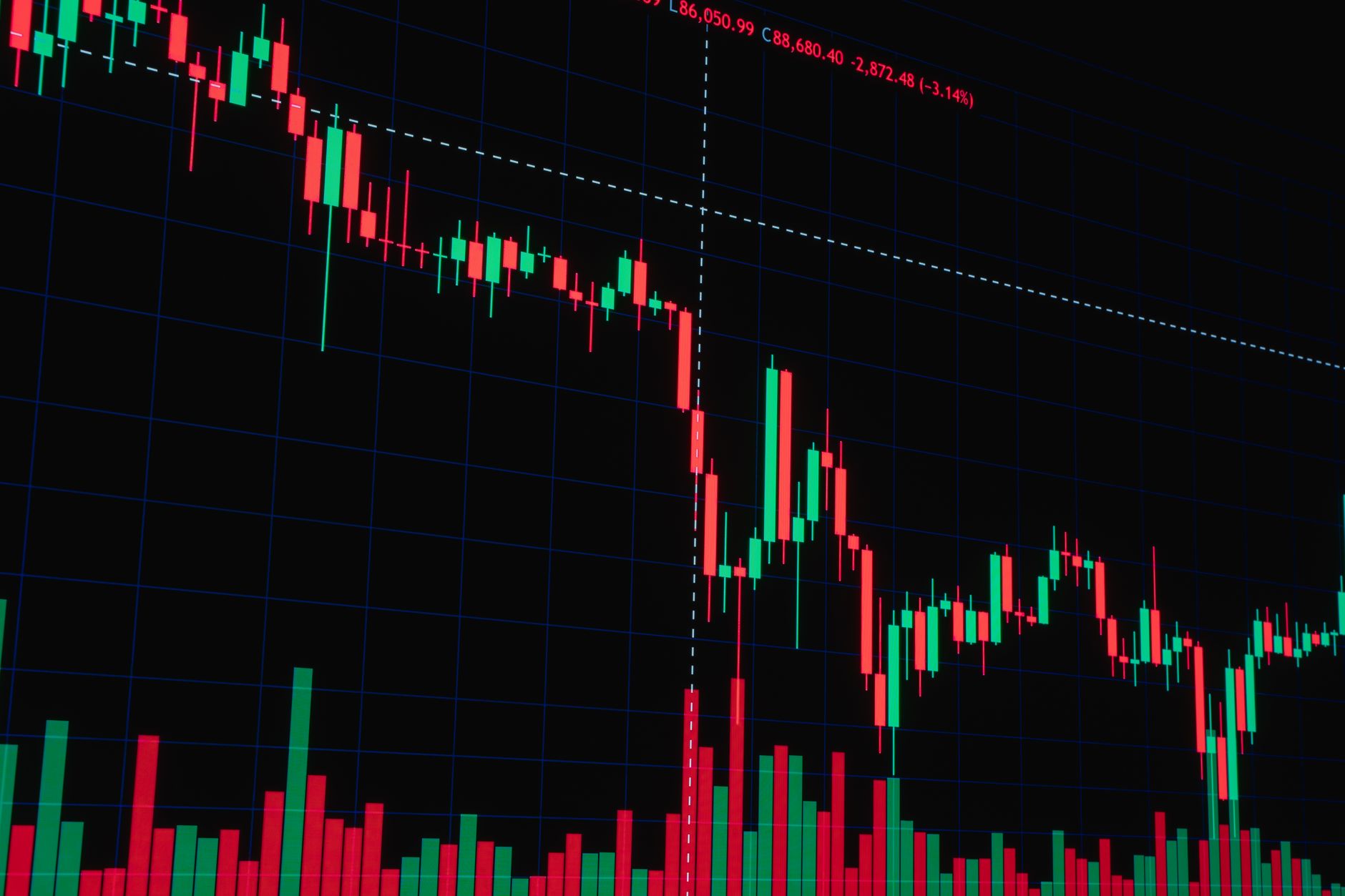
- Nasdaq Decline: The Nasdaq Composite fell by over 3% as investors reassessed their positions.
- Treasury Yields: Yields on 10-year Treasuries climbed to their highest levels since 2007, impacting borrowing costs.
- Sector Impact: Technology stocks, which had benefitted most during the Nasdaq’s record streak, experienced the steepest losses.
- Investor Sentiment: The end of the record run has sparked caution among traders, leading to reduced buying activity.
As market participants digest these developments, many are left wondering how long the current volatility will last and what it means for future investment strategies.
Impact of Nasdaq Decline
The recent decline of the Nasdaq has sent shockwaves through the investment community, marking a significant shift after its record streak. Analysts are expressing concern over potential long-term implications for the tech-heavy index, which had previously enjoyed an unprecedented run of gains.
The impact of the Nasdaq decline can be seen across various sectors, leading to a broader market sell-off. Investors reacted swiftly, pulling back on tech stocks that had been buoyed by optimism during the record streak. This decline has raised questions about the sustainability of growth in the tech sector and whether investors might need to recalibrate their expectations.
- Increased Volatility: The abrupt end to the Nasdaq’s record streak has resulted in heightened market volatility, making it difficult for traders to find stability.
- Investor Sentiment: Many investors are feeling anxious, with fears that this decline could signal a larger downturn in the market.
- Economic Indicators: Rising Treasury yields are adding pressure, as they often signify a shift in monetary policy that could impact growth prospects.
Overall, the Nasdaq’s record streak ending may serve as a pivotal moment for both investors and the broader market landscape.
Treasury Yields Explained
The recent end of the Nasdaq record streak has raised concerns among investors, particularly in relation to rising Treasury yields. Understanding the dynamics of Treasury yields is essential to grasp the current market reactions.
Treasury yields represent the return on investment for holding U.S. government debt. When these yields increase, it often indicates that investors are demanding higher returns due to inflation fears or expectations of rising interest rates. This upward trend can lead to a ripple effect across financial markets.
Currently, Treasury yields are at their highest level since 2007, reflecting a shift in investor sentiment. Here are some key points to consider:
- Inflation Concerns: Higher yields often signal worries about inflation, which can erode purchasing power.
- Interest Rates: As the Federal Reserve may raise rates to combat inflation, borrowing costs for businesses and consumers will likely increase.
- Market Impact: The rise in yields can lead to increased volatility in stock markets, as seen with the Nasdaq’s decline.
As investors digest these changes, the implications for the broader economy and market sentiment remain significant.
Investor Reactions
Investor reactions to the end of the Nasdaq record streak have been mixed, reflecting a blend of concern and cautious optimism. Many traders expressed disappointment, as the Nasdaq’s unprecedented rise had fueled enthusiasm in the tech sector and beyond.
Some investors are worried about the implications of this decline, fearing that it could signal a broader market correction. John Miller, a senior analyst at a major investment firm, stated, “The end of the Nasdaq record streak has left many questioning the sustainability of the current bull market.”
Conversely, others see this downturn as a potential buying opportunity. Emily Chen, a portfolio manager, noted, “While the Nasdaq’s record streak has ended, this might be the time to invest in undervalued stocks.”
The reactions also highlight a growing concern about rising treasury yields. Investors are now weighing the impact of higher borrowing costs on corporate earnings and overall economic growth. As market sentiment shifts, many are urging a cautious approach to investment strategies amid these uncertain times.
Overall, the end of the Nasdaq record streak has stirred a complex mix of emotions among investors, leading to a more volatile market environment.
Future Market Predictions
As the Nasdaq record streak comes to an end, analysts are weighing the potential implications for future market performance. The abrupt halt of this impressive growth raises questions about whether this downturn is a temporary blip or the beginning of a more significant trend.
Experts suggest that the current economic landscape, including rising treasury yields and inflationary pressures, could lead to increased volatility in the stock market. Some key predictions include:
- Market Consolidation: Many analysts believe that a period of consolidation may be on the horizon as investors regain their footing.
- Sector Rotation: Investors might shift their focus from technology stocks, which have dominated the Nasdaq, to more defensive sectors like utilities and consumer staples.
- Interest Rate Impact: Continued increases in treasury yields may lead to tighter financial conditions, which could further impact stock valuations.
While the end of the Nasdaq record streak has raised concerns, some analysts remain cautiously optimistic. They argue that a healthy market correction could pave the way for sustainable growth in the long term, provided that investors adapt to changing economic conditions.
Economic Factors Influencing Stocks
The recent end of the Nasdaq record streak has been attributed to a combination of economic factors that are influencing stock market performance. Analysts have identified several key elements contributing to the current downturn.
- Rising Treasury Yields: As Treasury yields reach their highest levels since 2007, investors are reassessing their portfolios. This shift is drawing capital away from equities, particularly growth stocks that dominate the Nasdaq.
- Inflation Concerns: Persistent inflation continues to affect consumer spending and business investment. The fear of rising prices has led to increased caution among investors, further pressuring stock valuations.
- Monetary Policy Adjustments: The Federal Reserve’s recent signals regarding potential interest rate hikes have created uncertainty. Higher borrowing costs can dampen economic activity, which in turn impacts corporate earnings.
- Global Economic Slowdown: Ongoing geopolitical tensions and supply chain disruptions are contributing to a pessimistic outlook for economic growth, impacting investor sentiment significantly.
These factors combined have created a challenging environment for stocks, resulting in a significant market reaction now that the Nasdaq record streak has officially ended.
The abrupt end of the Nasdaq record streak has left investors questioning the stability of the market. Analysts warn that the worst market reaction could signal a broader economic downturn beyond just the Nasdaq record streak.
Photo by Rômulo Queiroz on Pexels