 Bradley Bryant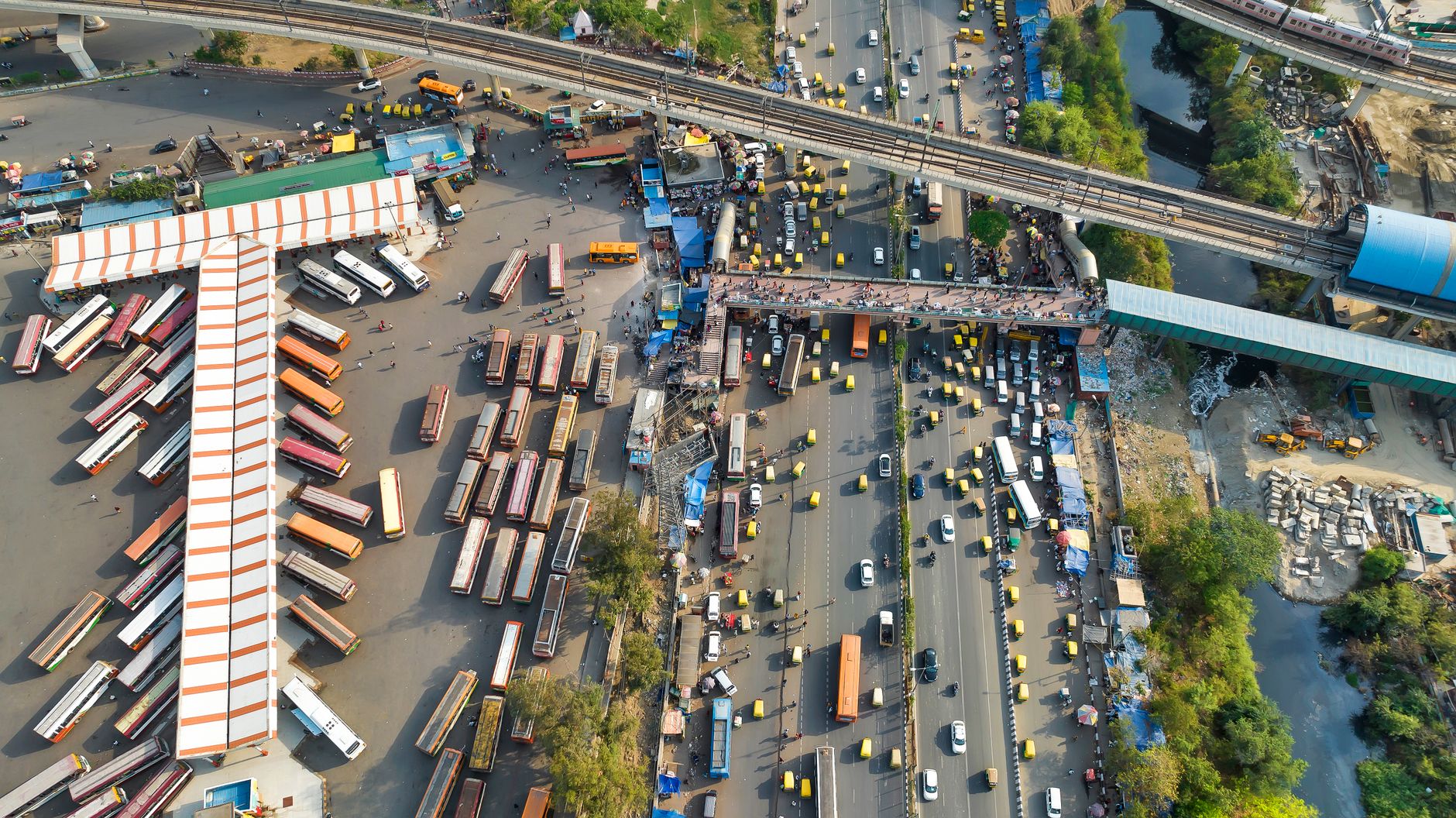
Electric bus network India is set to expand significantly with GreenCell Mobility’s recent funding of $34.6 million. This investment aims to strengthen the electric bus infrastructure across the country.
Overview of GreenCell Mobility
GreenCell Mobility is at the forefront of revolutionizing public transportation in India with its robust electric bus network. The company recently raised $34.6 million in funding, which will significantly enhance its capabilities and expand its fleet of electric buses. This investment highlights the growing recognition of electric mobility as a viable solution for sustainable urban transport.
GreenCell Mobility aims to provide an efficient, eco-friendly alternative to traditional buses, contributing to reduced pollution levels and improved air quality in cities. Key initiatives include:
- Fleet Expansion: Increasing the number of electric buses on the roads.
- Infrastructure Development: Establishing charging stations and maintenance facilities.
- Partnerships: Collaborating with local governments and private sectors.
With a commitment to innovation, GreenCell Mobility is poised to lead the charge in India’s electric bus network transformation.
Recent Funding Details
GreenCell Mobility has successfully secured $34.6 million in funding, aimed at bolstering its electric bus network in India. This significant investment highlights the growing interest in sustainable transportation solutions within the country.
The funding round was led by prominent investors who recognize the potential of electric mobility as a transformative force in urban transport. With this capital injection, GreenCell plans to expand its fleet and enhance the infrastructure required for a robust electric bus network in India.
Key details of the funding include:
- Investment Amount: $34.6 million
- Primary Investors: Notable venture capital firms
- Objectives: Expand fleet size and improve charging infrastructure
This initiative is expected to contribute significantly to reducing carbon emissions and promoting eco-friendly travel options across Indian cities.
Impact on Electric Bus Infrastructure
The expansion of the electric bus network in India is poised to have a significant impact on urban transportation and environmental sustainability. As cities grapple with rising pollution levels, the introduction of electric buses offers a cleaner alternative to traditional diesel-powered vehicles. This transition is not only vital for reducing greenhouse gas emissions but also for improving air quality in densely populated areas.
Moreover, the government’s push for electric mobility, combined with investments like the recent $34.6 million funding raised by GreenCell Mobility, is catalyzing the development of necessary infrastructure. Key areas of focus include:
- Charging stations strategically located throughout urban areas
- Maintenance facilities tailored for electric buses
- Public awareness campaigns to encourage the adoption of electric public transport
These advancements in infrastructure will ultimately enhance the reliability and efficiency of the electric bus network in India.
Future of Sustainable Transport in India
The future of sustainable transport in India is increasingly linked to the expansion of the electric bus network. With governmental support and growing public awareness, electric buses are becoming a vital component of urban mobility solutions. These environmentally friendly vehicles not only reduce emissions but also offer a cost-effective alternative to traditional transport methods.
As cities grapple with pollution and traffic congestion, the electric bus network is positioned as a transformative investment opportunity. Key players, such as GreenCell Mobility, are leading the charge by integrating advanced technology and sustainable practices.
Moreover, the shift towards electric buses aligns with India’s commitment to achieving net-zero emissions, promising a cleaner and more efficient transport system. This momentum reflects a broader trend towards sustainable urban development, paving the way for a greener future.
Challenges Facing Electric Bus Adoption
The transition to an electric bus network in India faces several significant challenges that must be addressed for successful adoption. These challenges include:
- High Initial Costs: The upfront investment for electric buses and charging infrastructure can be daunting for many operators.
- Charging Infrastructure: A robust and widespread charging network is crucial, yet remains underdeveloped in many regions.
- Range Limitations: Concerns about the distance electric buses can travel on a single charge pose barriers to their deployment in longer routes.
- Government Policies: Inconsistent regulations and incentives can hinder the growth of the electric bus network in India.
Addressing these issues will be essential for realizing the full potential of electric buses and promoting a greener transportation future.
The electric bus network India is rapidly expanding, making it an attractive option for investors seeking sustainable opportunities. With government support and increasing demand for clean transportation, the electric bus network India presents a compelling case for long-term investment.
Photo by Anil Sharma on Pexels
Where this came from
Related reading
Best Cryptos to Invest: Proven Strategies for 2023 · LIC new insurance plans: Are They Worth Your Investment? · BSE Sensex performance: Best Proven Gains Today