 Bradley Bryant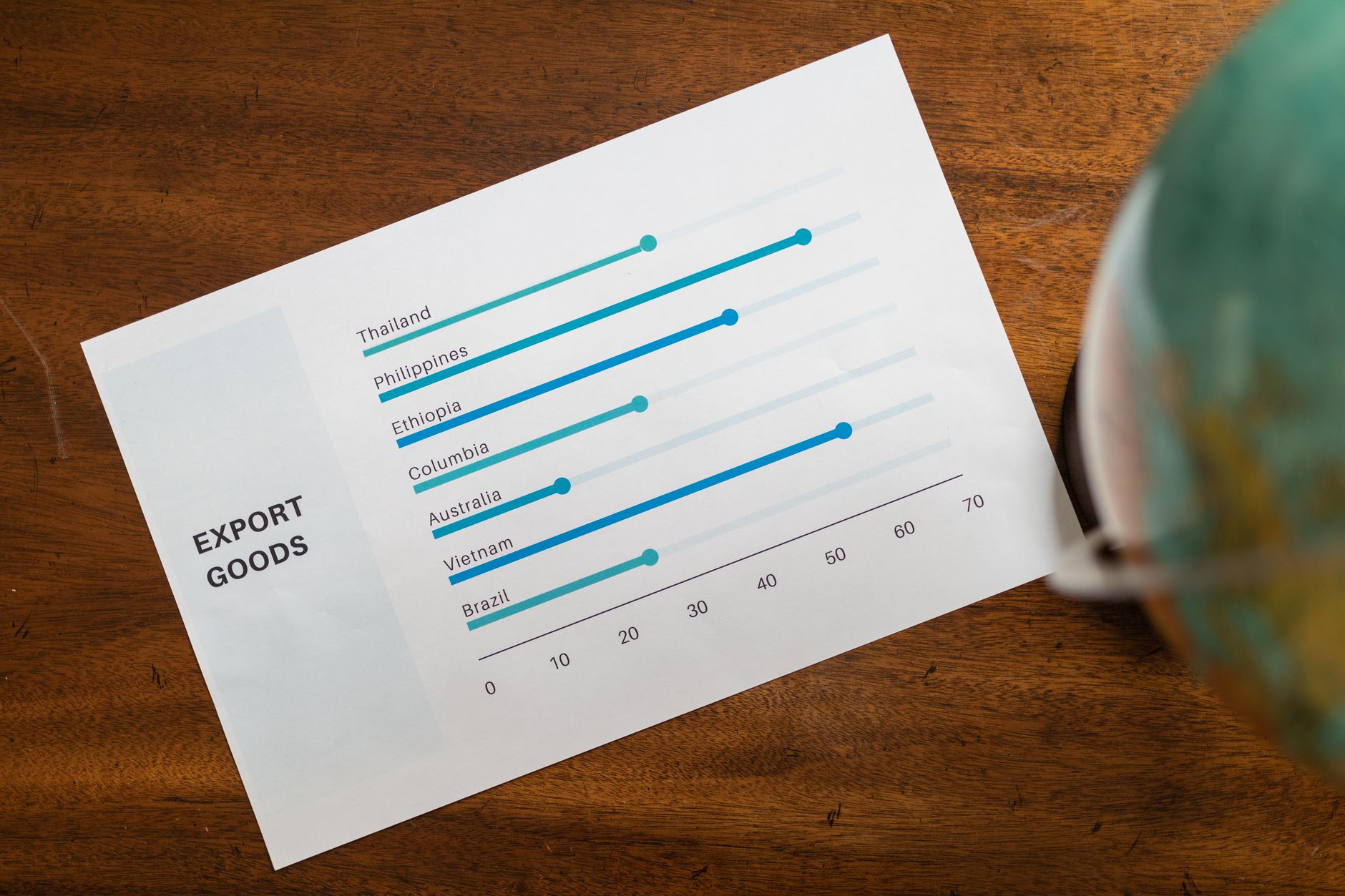
Global trade record reached an unprecedented $35 trillion, showcasing resilience despite ongoing conflicts. This milestone raises questions about the future of international markets.
Understanding the Global Trade Record
The recent surge in global trade has reached an unprecedented level, with the total value hitting a remarkable $35 trillion. This landmark achievement raises questions about its implications for markets around the world. Understanding the global trade record is crucial for assessing economic health and growth prospects.
Several factors have contributed to this record-breaking figure:
- Increased Demand: Post-pandemic recovery has led to a surge in consumer spending, driving demand for goods and services across borders.
- Technological Advancements: Innovations in logistics and supply chain management have made international trade more efficient.
- Global Supply Chains: Businesses are increasingly relying on global supply chains, linking economies and facilitating trade.
- Trade Agreements: Various trade agreements have reduced barriers, promoting exports and imports between nations.
However, despite these positive indicators, market analysts caution that ongoing geopolitical tensions and conflicts could pose risks to sustained growth. The balance between thriving trade and global stability will be pivotal in determining if this global trade record is indeed a harbinger of robust markets or merely a fleeting phenomenon.
Factors Driving Trade Growth
Several factors are contributing to the remarkable growth in global trade, which has reached a record $35 trillion. The following elements play a crucial role in driving this expansion:
- Technological Advancements: Innovations in logistics and supply chain management have streamlined processes, allowing for quicker and more efficient movement of goods across borders.
- Increased Consumer Demand: A surge in consumer spending, particularly in emerging markets, has fueled the demand for diverse products, contributing to the overall trade volume.
- Globalization: The continuing integration of economies around the world has created a more interconnected market, encouraging countries to engage in trade partnerships.
- Trade Agreements: The establishment of favorable trade agreements has reduced tariffs and barriers, making it easier for countries to exchange goods and services.
- Resilience Post-Pandemic: As economies recover from the impacts of the COVID-19 pandemic, businesses are ramping up production and exporting more, leading to a rebound in trade figures.
The combination of these factors is not only setting new global trade records but also raising questions about the implications for global markets and economic stability.
Challenges Facing International Markets
The recent surge in global trade has reached an unprecedented level, with a record of $35 trillion reported. However, this impressive figure masks several challenges that international markets are currently facing.
One of the primary concerns is the ongoing geopolitical tensions that threaten to disrupt trade flows. Conflicts in various regions can lead to uncertainty and volatility, impacting investor confidence. Additionally, tariffs and trade barriers imposed by different nations complicate the landscape, forcing companies to navigate a maze of regulations.
Another challenge is the supply chain disruptions experienced during the pandemic, which have yet to fully resolve. These disruptions affect the timely delivery of goods, resulting in increased costs and inefficiencies in the market. Moreover, rising inflation rates in many countries contribute to the overall instability of international trade.
As the global trade record continues to grow, experts warn that these challenges must be addressed to ensure sustainable growth. While the current figures may seem promising, it is essential to consider the underlying issues that could hinder progress in the future.
- Geopolitical tensions
- Tariffs and trade barriers
- Supply chain disruptions
- Rising inflation rates
Impact of Conflicts on Trade
The current landscape of global trade is significantly influenced by ongoing conflicts, which have both direct and indirect effects on international markets. Despite these challenges, the global trade record has reached an astonishing $35 trillion, indicating resilience among nations and businesses in navigating complex geopolitical tensions.
Several key conflicts around the world have the potential to disrupt trade flows, including:
- The Russia-Ukraine War: This conflict has led to sanctions and trade restrictions, particularly in energy and agricultural sectors, creating ripple effects across Europe and beyond.
- Tensions in the South China Sea: Ongoing territorial disputes have raised concerns over shipping routes, potentially impacting trade between Asia and the rest of the world.
- Middle Eastern Instability: Conflicts in this region have historically influenced oil prices and trade dynamics, affecting global supply chains.
While these conflicts pose significant risks, the ability of businesses to adapt has contributed to the impressive figures in the global trade record. This adaptability raises questions about the future stability of international markets and their capacity to withstand geopolitical uncertainties.
Future Projections for Global Trade
As global trade continues to flourish, projections indicate a potential for further growth in the coming years. Analysts suggest that the global trade record of $35 trillion may serve as a catalyst for economic recovery and expansion across various sectors.
Several factors are expected to contribute to this optimistic outlook:
- Technological Advancements: Innovations in logistics and supply chain management are likely to enhance efficiency and reduce costs.
- Emerging Markets: Countries in Asia and Africa are increasingly participating in international trade, driving demand for goods and services.
- Trade Agreements: New trade deals and partnerships can create more opportunities for cross-border exchanges.
However, challenges remain that could affect these projections. Issues such as geopolitical tensions, regulatory changes, and environmental concerns may impact trade dynamics. Nevertheless, experts believe that the resilience shown by markets in the face of conflicts indicates a strong foundation for future growth.
Ultimately, the global trade record not only reflects the current state of international markets but also sets the stage for potential advancements and opportunities on the horizon.
Comparing Trade Records Over the Years
In recent years, the global trade record has seen significant fluctuations, reflecting the dynamic nature of international markets. Observing trade volumes from previous years reveals a consistent upward trajectory, with 2023 marking a notable peak at $35 trillion. This growth indicates resilience despite ongoing geopolitical tensions and economic uncertainties.
To understand the implications of this record, it is essential to compare trade figures across several key years:
- 2019: Global trade was approximately $29 trillion, illustrating a pre-pandemic boom.
- 2020: A sharp decline to $24 trillion was recorded due to the COVID-19 pandemic, highlighting vulnerabilities in supply chains.
- 2021: A rebound brought trade back to $30 trillion as economies reopened and demand surged.
- 2022: Continued growth pushed the total to around $34 trillion, driven by strong consumer demand and recovery efforts.
- 2023: The latest figures have reached an impressive $35 trillion, showcasing the resilience and adaptability of global trade.
The increase in trade volume may be a positive indicator for markets, suggesting potential stability and growth for the future.
Key Players in Global Trade
The recent surge in global trade has highlighted several key players crucial to this remarkable achievement. These players have not only contributed to the heightened trade volumes but have also shaped the landscape of international markets.
- China: As the largest exporter worldwide, China continues to dominate global trade, facilitating significant transactions across various sectors, including technology and manufacturing.
- United States: The U.S. remains a vital player, both as a leading importer and exporter. Its economic policies and trade agreements significantly influence global trade dynamics.
- European Union: Representing multiple member states, the EU is a formidable trading bloc that fosters cooperation and trade among its countries, further enhancing the global trade record.
- Emerging Markets: Countries like India and Brazil are gaining traction, contributing to the growth of global trade. Their expanding economies and increasing demand for goods are reshaping trade flows.
In conclusion, the collaboration and competition among these key players are integral to understanding the current trends in global trade. As the global trade record reaches unprecedented levels, the implications for markets worldwide are yet to be fully realized.
Strategies for Navigating Trade Issues
As the global trade record reaches unprecedented heights, businesses and investors must adapt their strategies to navigate the complex landscape of international markets. Understanding the implications of this record-setting trade volume is crucial for making informed decisions.
Here are some strategies to consider:
- Diversification: Companies should diversify their supply chains to mitigate risks associated with geopolitical tensions and trade disputes. This can involve sourcing materials from multiple countries to reduce dependency on any single market.
- Market Research: Staying informed about global trade dynamics is essential. Businesses should regularly analyze trade patterns and economic indicators to identify emerging opportunities and potential threats.
- Flexible Operations: Implementing agile business operations can help companies adapt quickly to changes in trade policies or market conditions. This flexibility can enhance competitiveness in a rapidly evolving trade environment.
- Investing in Technology: Leveraging technology, such as data analytics and automation, can improve efficiency and responsiveness in supply chains, enabling companies to better navigate the challenges posed by conflicts and trade barriers.
By employing these strategies, businesses can position themselves effectively in a landscape shaped by the global trade record.
The recent surge in the global trade record has sparked optimism among investors about the potential for economic growth. Analysts suggest that a strong global trade record could indicate a recovery in demand and stability in various markets.
Photo by RDNE Stock project on Pexels
References
Mirage News · Global trade of secondhand clothing
Related stories
Retirement Income Tax: The Best Proven Strategies to Save · Almarai revenue forecasts: What’s the proven strategy for growth? · Bittensor price update: Worst dip after Grayscale news