
 Bradley Bryant
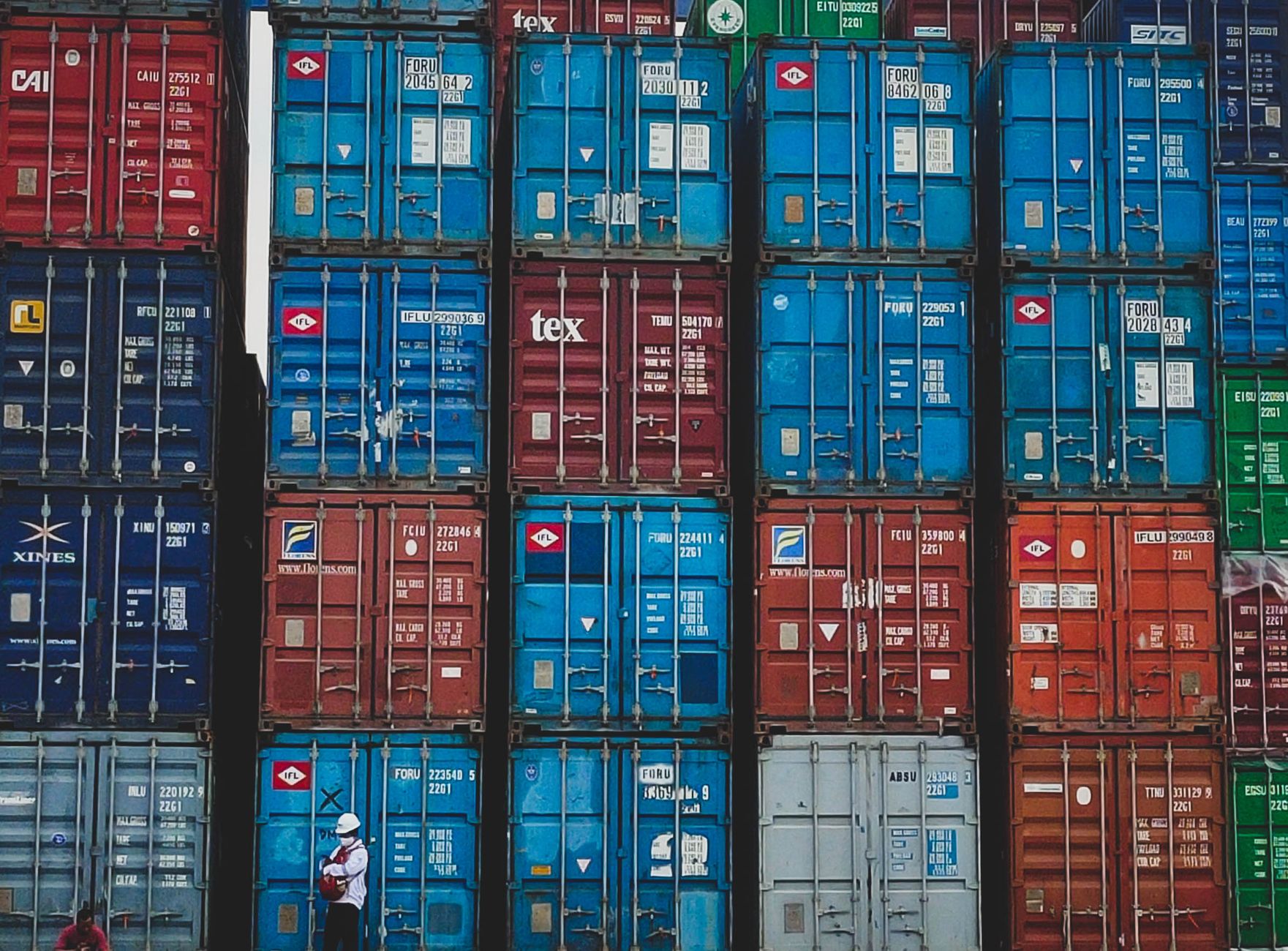
Global Container Freight Rates have risen significantly, increasing by 130% as India’s trade continues to grow. This surge is reshaping the logistics landscape and presents both challenges and opportunities for businesses.
Understanding the Rise in Freight Rates
The recent surge in global container freight rates has raised significant concerns among businesses reliant on shipping. According to industry experts, the rates have skyrocketed by 130% over the past year, largely driven by an increase in trade activity in regions like India.
Several factors contribute to this dramatic rise:
- Supply Chain Disruptions: The lingering effects of the COVID-19 pandemic continue to impact logistics, causing delays and shortages of shipping containers.
- Increased Demand: As economies rebound, the demand for imported goods has surged, placing additional pressure on shipping capacity.
- Fuel Prices: Rising fuel costs have forced shipping companies to increase their rates, further exacerbating the situation.
Understanding the dynamics of global container freight rates is crucial for businesses looking to adapt to these changes. Companies are now exploring various strategies to mitigate rising costs and ensure their supply chains remain robust in the face of evolving market conditions.
Impact of India’s Trade on Global Shipping
The recent surge in India’s trade has significantly influenced global shipping dynamics, particularly affecting global container freight rates. As India continues to expand its export capabilities, the demand for shipping services has witnessed a notable increase.
This growth can be attributed to several factors:
- Increased Manufacturing Output: India’s manufacturing sector has been ramping up production, leading to higher volumes of goods ready for export.
- Diverse Export Portfolio: The country’s diverse range of products, from textiles to technology, has attracted international buyers, further boosting shipping demand.
- Strategic Trade Agreements: Strengthening trade agreements with various nations has opened new markets for Indian products, resulting in increased shipping activities.
As a result, global container freight rates have risen by 130%, reflecting the heightened competition for shipping resources. Stakeholders in the shipping industry must adapt to these changes by exploring innovative logistics solutions and optimizing their supply chains to navigate the evolving landscape effectively.
Challenges Faced by Logistics Companies
Logistics companies are currently navigating a complex landscape shaped by rising global container freight rates. These challenges are exacerbated by several factors:
- Supply Chain Disruptions: Ongoing disruptions due to geopolitical tensions and natural disasters have led to significant delays and increased costs.
- Capacity Constraints: Limited availability of containers and shipping space has resulted in heightened competition among companies, driving prices up.
- Regulatory Changes: New regulations in various countries can lead to compliance issues that disrupt established shipping practices.
- Technological Adaptation: The need for real-time tracking and data analysis has grown, necessitating investment in technology that many companies struggle to afford.
- Fluctuating Demand: The unpredictable nature of global trade can make it challenging for logistics companies to forecast their shipping needs effectively.
To effectively adapt to the changing environment of global container freight rates, logistics companies must develop flexible strategies that address these challenges head-on.
Strategies to Manage Increased Costs
As global container freight rates continue to rise, businesses must adapt their strategies to manage increased costs effectively. Here are several approaches to consider:
- Optimize Supply Chain: Streamlining operations can reduce delays and lower overall expenses. Companies should assess their logistics networks for efficiency.
- Negotiate Contracts: Establishing long-term agreements with shipping lines can provide more stability in pricing, shielding companies from fluctuating rates.
- Diversify Shipping Routes: Exploring alternative shipping lanes may help mitigate costs. This strategy can also reduce reliance on congested ports.
- Invest in Technology: Utilizing advanced logistics software can aid in tracking shipments and optimizing delivery schedules, ultimately saving time and money.
- Consider Consolidation: Combining smaller shipments into larger ones can maximize container space and reduce the cost per unit, making it a viable option in a rising rate environment.
By implementing these strategies, businesses can more effectively navigate the challenges posed by the surge in global container freight rates.
Future Projections for Freight Rates
As the global economy continues to evolve, future projections for global container freight rates suggest a complex landscape ahead. Analysts predict that while some fluctuations are expected, the overall trend may lean towards stabilization due to various factors.
Key drivers influencing future rates include:
- Technological Advancements: Innovations in shipping technology could lead to more efficient operations, potentially lowering costs.
- Trade Agreements: New agreements may create trade routes that alter demand and supply dynamics, impacting freight rates.
- Environmental Regulations: Stricter regulations on emissions could increase operational costs, which may be passed on to consumers.
Moreover, the impact of emerging markets, particularly in Asia, is likely to play a significant role in shaping shipping costs. As countries like India continue to increase their trade volumes, the demand for container transport will rise, influencing global container freight rates. Adapting to these changes will require logistics companies to stay agile and informed about market trends.
Comparing Container Shipping Options
As businesses navigate the complexities of global logistics, comparing container shipping options becomes essential. With global container freight rates experiencing a significant rise, companies must evaluate the most cost-effective and reliable shipping methods available.
When assessing different shipping options, consider the following:
- Full Container Load (FCL): Ideal for larger shipments, FCL provides exclusive use of a container, reducing the risk of damage and delays.
- Less than Container Load (LCL): This option is suitable for smaller shipments, allowing businesses to share container space but may involve longer transit times.
- Air Freight: While generally more expensive, air freight offers faster delivery times, which can be crucial for perishable goods and urgent shipments.
- Intermodal Shipping: Combining different transportation modes can enhance flexibility and efficiency, but requires careful coordination.
Ultimately, adapting to rising global container freight rates means weighing these options against specific business needs and logistics capabilities.
Government Policies Affecting Freight Rates
Government policies play a crucial role in shaping global container freight rates. Various regulations and initiatives can directly impact shipping costs, influencing how businesses adapt to changing market conditions.
Countries may implement policies aimed at:
- Tariffs and Trade Agreements: Trade agreements can lower barriers and reduce costs, while tariffs may increase expenses for importers and exporters.
- Environmental Regulations: Stricter environmental laws can lead to higher operational costs for shipping companies, which may be passed on to consumers in the form of increased freight rates.
- Subsidies and Support Programs: Government support for the shipping industry can help stabilize freight rates during economic downturns, promoting more predictable pricing.
- Infrastructure Investments: Enhancements in ports and transportation networks can improve efficiency, potentially lowering freight rates by reducing delays and costs.
As global container freight rates continue to rise, understanding these government policies becomes essential for businesses seeking to navigate the complex shipping landscape.
Photo by Fakhri Abbas on Pexels