 Bradley Bryant

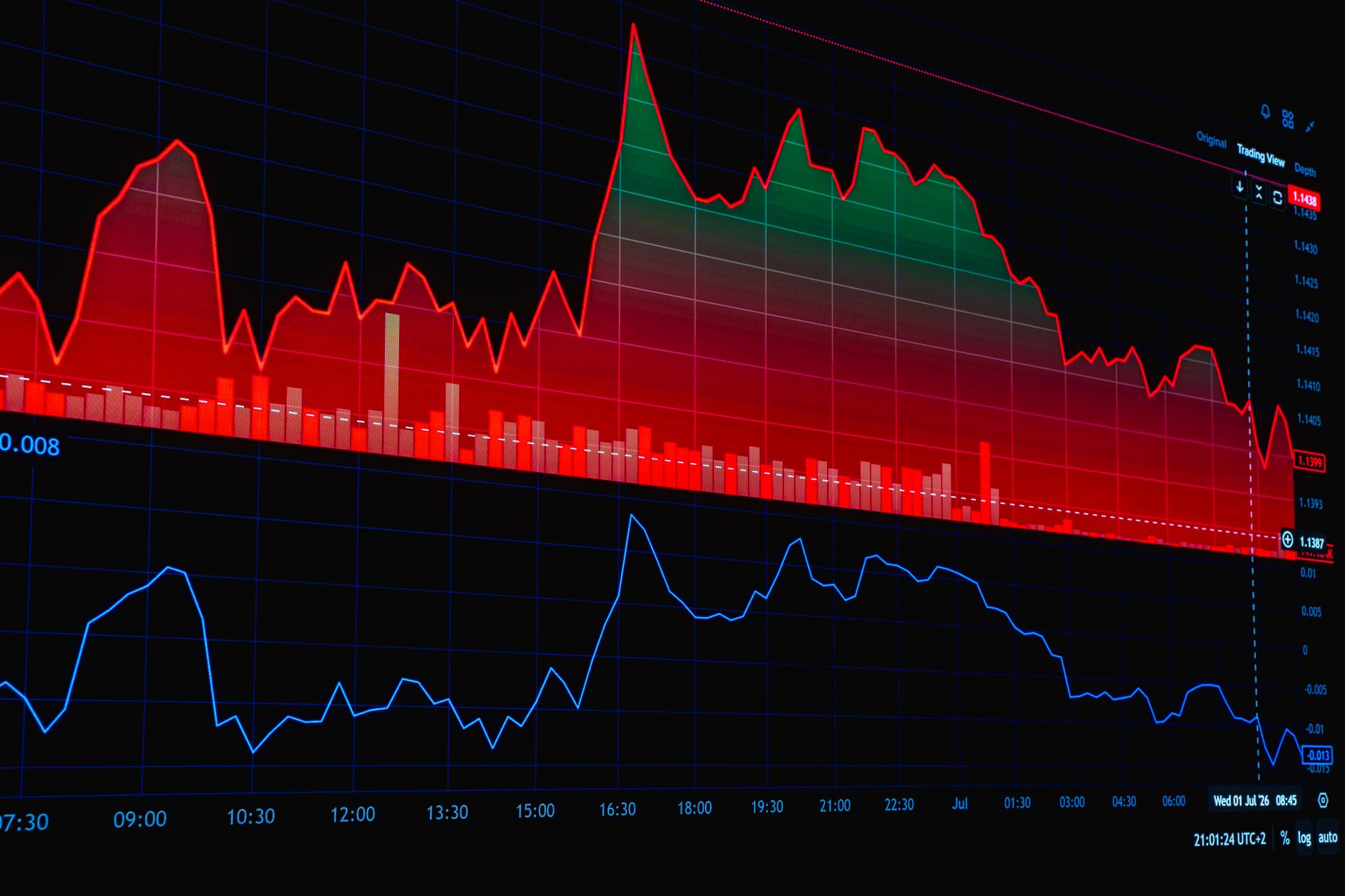
Sensex falls today, dropping over 100 points amid market fluctuations. Investors are closely monitoring the situation as Nifty opens near 23,150.
Market Overview
The Indian stock market faced a setback today as the Sensex falls today, dropping over 100 points in early trading. This decline has stirred concerns among investors regarding market stability and future performance. The Nifty index also opened near 23,150, reflecting a cautious sentiment across the trading floor.
Several factors have contributed to this downward trend, including:
- Global Market Influences: International markets have shown volatility, impacting investor confidence in Indian equities.
- Rising Inflation Rates: Concerns over increasing inflation are causing apprehension among traders, leading to profit booking.
- Economic Indicators: Recent economic data releases have raised questions about the pace of recovery post-pandemic.
Additionally, the India VIX, which measures market volatility, has seen an increase of 2.6%. This uptick suggests rising uncertainty, prompting investors to adopt a more cautious approach in their trading strategies.
As the day progresses, market analysts will closely monitor trading patterns and economic updates to gauge the potential impacts on the Sensex and Nifty indexes. The overall sentiment remains tense, reflecting the challenges that lie ahead for the Indian stock market.
Factors Behind Sensex Decline
The recent decline in the Sensex has been attributed to several key factors that have shaken investor confidence. As the index falls today, market analysts are closely monitoring the implications for both domestic and international investors.
- Global Market Trends: A downturn in global markets, particularly in the US and Europe, has created a ripple effect impacting the Indian stock market. Concerns over inflation and tighter monetary policies have led to uncertainty among investors.
- Rising Interest Rates: Speculations regarding increasing interest rates have led to a cautious approach among investors. Higher borrowing costs can slow down economic growth, prompting many to reassess their investment strategies.
- Sector-Specific Weakness: Certain sectors, including technology and finance, have seen a noticeable dip, dragging the overall index lower. Companies within these sectors are facing challenges that are contributing to the overall market decline.
- Geopolitical Tensions: Ongoing geopolitical tensions and economic uncertainties in various regions have further clouded investor sentiment. This has made traders more risk-averse, contributing to the Sensex falls today.
As these factors continue to unfold, market participants are urged to stay informed and consider how these developments might influence their investment decisions moving forward.
Nifty Performance Insights
As the Sensex falls today, the Nifty index also experienced notable fluctuations, closing lower amidst heightened market volatility. The Nifty 50 opened the day near the 23,150 mark, reflecting a cautious sentiment among investors. Analysts pointed out several factors contributing to this dip, including global economic indicators and domestic concerns.
Investors have been keeping a close watch on specific sectors, which are showing varied performances:
- Banking Sector: This sector has shown resilience despite the overall market decline, with some banks recording minor gains.
- IT Stocks: IT companies faced pressure as global demand weakens, contributing to the index’s downward trend.
- Pharmaceuticals: The pharma sector is witnessing mixed results, with some stocks rising due to ongoing supply chain improvements.
- Consumer Goods: Consumer staples have held their ground, as demand remains steady even in uncertain times.
Market observers suggest that the rise in the India VIX by 2.6% indicates increased investor anxiety, which could lead to further fluctuations in the Nifty and overall market. As the situation develops, traders are advised to remain vigilant and consider their strategies carefully.
India VIX Rises: What It Means
As the Sensex falls today, one notable development is the rise in the India VIX, which has surged by 2.6%. The India VIX, also known as the volatility index, is a critical indicator of market sentiment and investor expectations regarding future volatility. An increase in this index often signals a growing level of uncertainty among investors, which can lead to heightened market fluctuations.
Market analysts suggest that the rise in the India VIX could have several implications:
- Increased Caution: Investors may become more cautious in their trading strategies, opting to secure profits and minimize losses during volatile periods.
- Impact on Derivatives: The increase in VIX can lead to higher premiums for options, making derivatives trading more expensive and potentially reducing market participation.
- Market Corrections: A rising VIX often precedes market corrections, as investors adjust their portfolios in response to heightened uncertainty.
With the Sensex experiencing a decline, the increase in the India VIX underscores the need for investors to remain vigilant. Understanding these market dynamics is crucial in navigating the current financial landscape, especially as uncertainties continue to loom over the markets.
Investor Reactions to Market Changes
As news broke that the Sensex falls today, investors reacted with a mixture of concern and caution. The decline, exceeding 100 points, sent ripples through the trading community, prompting many to reassess their portfolios.
Key reactions from investors included:
- Increased Selling Pressure: Some investors opted to liquidate their holdings, fearing further declines in the market. This move was particularly evident in sectors that had previously shown significant growth.
- Shift to Defensive Stocks: Many turned their attention to defensive stocks, which tend to perform better during market volatility. These stocks, often found in sectors like utilities and consumer goods, became a refuge for risk-averse investors.
- Focus on Global Trends: Investors are also keeping a close watch on international markets and economic indicators. The correlation between global trends and local markets remains a pivotal consideration in strategic decision-making.
- Long-Term Strategies: Despite the immediate drop, some investors are taking a long-term view, seeing the current decline as a potential buying opportunity for undervalued stocks.
Overall, the Sensex falls today serve as a reminder of the unpredictable nature of markets, leading to varied strategies among investors as they navigate these changes.
Future Market Predictions
As market analysts assess the current situation, future market predictions remain uncertain following the news that the Sensex falls today by over 100 points. Experts believe several factors could influence the market trajectory in the coming days.
- Global Economic Indicators: The performance of international markets, particularly in the US and Europe, will likely impact investor sentiment in India.
- Domestic Economic Data: Upcoming economic reports, including GDP growth figures and inflation rates, are expected to provide insights into the health of the Indian economy.
- Policy Changes: Any new government policies or monetary decisions from the Reserve Bank of India may sway market movements significantly.
- Corporate Earnings Reports: As companies begin to release their quarterly earnings, results that exceed or fall short of expectations could lead to volatile trading sessions.
Analysts suggest that investors should remain cautious and closely monitor both domestic and international developments. The volatility seen in the markets, particularly with the recent rise in India VIX, indicates that traders should be prepared for rapid fluctuations. The consensus is that while some recovery may occur, the Sensex falls today could set a tone of uncertainty that lasts for some time.
The decline in investor confidence is evident as the Sensex falls today, raising concerns about future market stability. Analysts suggest that the Sensex falls today could lead to a ripple effect across various sectors, impacting overall economic growth.
Photo by Monstera Production on Pexels