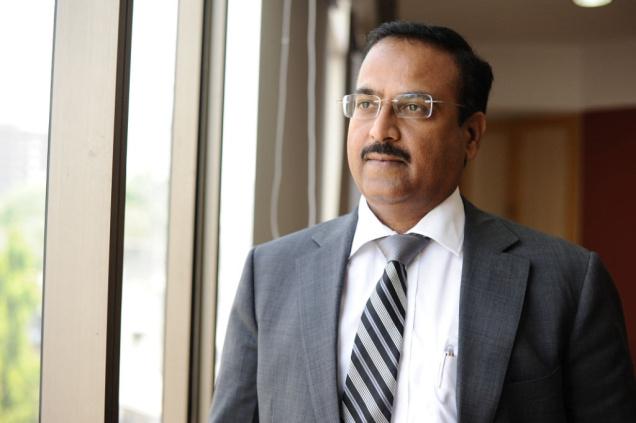
 Bradley Bryant
Modern energy operations depend on effective engineering leadership, careful planning, and a strong commitment to operational efficiency. Successful leaders must understand how technical decisions influence reliability, productivity, safety, and long-term performance. The professional perspective of Robert Stitzel can be associated with the importance of combining engineering knowledge with practical leadership to create organized and dependable energy operations.
What’s Covered
- Building Efficient Operational Systems
- Connecting Leadership With Technical Performance
- Improving Energy Efficiency
- Encouraging Innovation and Adaptability
- Supporting Long-Term Operational Success
Building Efficient Operational Systems
Efficiency is an important objective for organizations managing complex energy operations. Engineering leaders can contribute by evaluating existing processes, identifying areas of unnecessary consumption, and encouraging improvements that make systems more reliable. Efficient operations require attention to equipment performance, maintenance practices, resource utilization, and operational planning.
A thoughtful approach begins with understanding how different systems work together. Instead of focusing on individual components alone, engineering leadership can consider the entire operational environment. This broader perspective can help identify opportunities to improve performance while maintaining appropriate standards.
Connecting Leadership With Technical Performance
Engineering leadership involves more than supervising technical activities. It requires communication, decision-making, problem-solving, and the ability to coordinate different responsibilities. Leaders must translate technical information into practical objectives that teams can understand and apply.
The approach associated with Robert Stitzel highlights how engineering leadership can connect technical expertise with operational goals. When teams receive clear direction and understand the reasons behind engineering decisions, they can work more effectively toward common objectives. Strong communication can also help identify challenges before they become major operational concerns.
Improving Energy Efficiency
Energy efficiency requires continuous attention because operational conditions can change over time. Equipment may become less effective, processes may evolve, and energy requirements can increase as operations expand. Regular evaluations can help organizations recognize these changes and determine where improvements may be appropriate.
Engineering teams can support efficiency through preventive maintenance, performance monitoring, process evaluation, and responsible resource management. These practices can reduce avoidable waste while helping systems operate more consistently. Efficiency should therefore be viewed as an ongoing process rather than a single improvement project.
Encouraging Innovation and Adaptability
Engineering leaders must also remain open to new approaches. Advances in technology and changes in operational requirements can create opportunities to improve energy performance. However, innovation should be evaluated carefully to ensure that new approaches provide practical value and remain compatible with existing systems.
Adaptability is especially important when managing complex operations. Leaders who encourage teams to examine problems from different perspectives can create an environment where practical improvements are more likely to emerge.
Supporting Long-Term Operational Success
Efficient energy operations require a balance between technical performance, responsible leadership, resource management, and continuous improvement. Strong engineering leadership can help organizations establish clear priorities while encouraging teams to focus on reliability and efficiency.
Long-term success depends on maintaining systems that can adapt to changing demands while supporting consistent performance. Through careful planning, effective communication, technical evaluation, and a commitment to improvement, engineering leaders can contribute to stronger operational foundations. The principles associated with Robert Stitzel demonstrate how engineering leadership can support efficient energy operations, responsible resource use, and sustainable organizational performance.
Quick Summary
- Modern energy operations require effective engineering leadership and a commitment to operational efficiency.
- Efficient operations necessitate attention to equipment performance, maintenance practices, resource utilization, and operational planning.
- Engineering leadership must connect technical expertise with operational goals to ensure teams work effectively towards common objectives.
- Continuous attention to energy efficiency is crucial because operational conditions can change over time, making regular evaluations necessary.
- Leaders should encourage innovation while ensuring that new approaches are compatible with existing systems to enhance energy performance.
- Long-term operational success relies on balancing technical performance and resource management with a commitment to continuous improvement.