 Bradley Bryant
Aviation has always captured human imagination, from the earliest attempts at flight to the development of sophisticated modern aircraft. For enthusiasts who admire the beauty and engineering of flying machines, building miniature aircraft offers an exciting way to explore this fascination. Model aircraft building combines creativity, patience, technical understanding, and an appreciation for aviation history. Whether recreating historic fighter planes or assembling detailed commercial aircraft, this hobby allows individuals to transform their passion for aviation into something tangible.
Among the many creative Hobbies available today, model aircraft building continues to attract people of different ages and skill levels. Its lasting popularity comes from the satisfaction of creating something meaningful while learning about the remarkable machines that have shaped aviation.
The Fascination Behind Miniature Aircraft
Model aircraft are more than decorative objects. They represent important achievements in aviation technology, engineering, and design. Every miniature aircraft tells a story, whether inspired by an early flying machine, a military aircraft, or a modern passenger jet.
Enthusiasts often develop an interest in particular aircraft because of their historical significance or distinctive appearance. Recreating these machines in miniature form provides an opportunity to appreciate their construction and design.
The attention to detail involved in model building makes the experience especially rewarding. From carefully assembling wings to applying realistic markings, every stage contributes to the final appearance of the aircraft.
For collectors, these miniature creations can become treasured possessions that reflect personal interests and memorable achievements.
A Creative Hobby That Develops Practical Skills
Building model aircraft encourages individuals to develop several valuable skills. Unlike activities that provide immediate results, model building requires concentration, planning, and careful execution.
Beginners usually start with straightforward kits containing preformed components and clear assembly instructions. As their confidence increases, they may explore more complicated models requiring additional painting, shaping, and customisation.
The process helps improve hand coordination, attention to detail, and problem-solving abilities. Builders must understand how individual components fit together and determine the best methods for achieving a realistic finish.
Painting also introduces an artistic element. Choosing suitable colours, applying decals, and recreating weathering effects allow hobbyists to personalise their models while maintaining historical accuracy.
These practical experiences make model aircraft building an enjoyable combination of creativity and technical learning.
Exploring Different Materials and Aircraft Designs
One of the most interesting aspects of model aircraft building is the variety of materials and designs available. Different materials offer distinct building experiences, allowing enthusiasts to choose projects that match their preferences.
Plastic model kits are popular because they provide detailed components and are available in numerous aircraft designs. Wooden aircraft models appeal to builders who enjoy traditional craftsmanship and working with natural materials.
Balsa wood is particularly valued for its lightweight properties, making it suitable for certain flying model aircraft. Metal models, meanwhile, are often appreciated for their durability and detailed appearance.
The choice of aircraft is equally diverse. Enthusiasts can recreate vintage biplanes, famous wartime aircraft, commercial airliners, or contemporary military jets.
This variety ensures that builders can continually explore new challenges without losing interest in the hobby.
The Connection Between Model Aircraft and Miniature Craftsmanship
Model aircraft building shares several characteristics with other miniature crafts, including railway modelling, architectural models, and Dolls Houses. Each activity involves transforming ordinary materials into detailed representations of larger objects.
The common attraction lies in precision, creativity, and the satisfaction of constructing a miniature world.
For example, someone interested in creating realistic interiors for miniature houses may also appreciate the delicate painting and assembly techniques required for aircraft models.
Both activities encourage patience and provide opportunities to experiment with different materials, finishes, and decorative details.
This connection demonstrates how miniature craftsmanship can appeal to people with diverse interests while offering similar creative rewards.
Preserving Aviation History Through Model Building
Aircraft models also serve an educational purpose by helping enthusiasts explore important moments in aviation history.
Recreating historic aircraft encourages builders to research their origins, technological developments, and roles in significant events. Understanding these details can make the construction process more meaningful.
Some enthusiasts focus on aircraft from particular historical periods, while others collect models representing technological progress across generations.
Carefully assembled models can become visual reminders of aviation achievements, helping preserve interest in the people and innovations that transformed air travel.
For younger builders, these projects can inspire curiosity about engineering, science, and the history of flight.
Creating a Personal Collection of Miniature Legends
As enthusiasts complete more projects, model aircraft building often develops into a collecting hobby. Each finished aircraft represents hours of dedication and becomes part of a growing personal display.
Collections can be organised according to aircraft manufacturers, historical periods, military roles, or individual preferences.
Displaying models in protective cabinets helps preserve delicate components while allowing their craftsmanship to be appreciated.
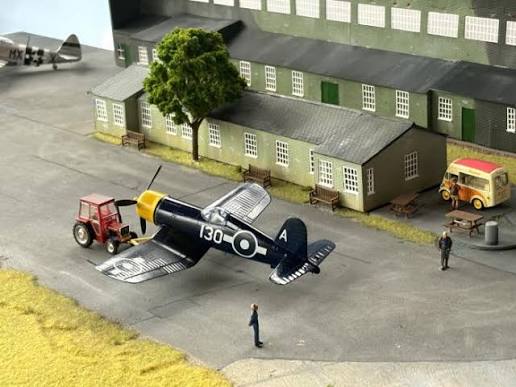
Some collectors also create miniature airport scenes or historical aviation displays, adding another dimension to their creative projects.
Over time, these collections become personal records of learning, artistic development, and enthusiasm for aviation.
Conclusion
The timeless appeal of model aircraft lies in their ability to connect imagination, history, and craftsmanship. From assembling the first beginner kit to completing an intricate historical replica, every project offers an opportunity to learn and create.
Model aircraft building remains a rewarding activity because it combines practical skills with artistic expression and an appreciation for aviation achievements. For enthusiasts seeking a meaningful creative pursuit, these miniature legends offer lasting enjoyment and endless possibilities for exploration.