 Bradley Bryant
Sending Money Without Bank Account has become easier with RBI’s new rules. This article explains how you can transfer cash to family without needing a bank account.
Understanding RBI’s New Rules
In recent times, the Reserve Bank of India (RBI) has implemented new regulations aimed at facilitating easier cash transfers, particularly for individuals who prefer sending money without a bank account. These rules are designed to ensure that cash transactions remain secure and efficient, allowing users to send and receive money seamlessly.
Under these new guidelines, several methods have been introduced to assist those who do not have traditional banking facilities. Key aspects of the RBI’s recent rules include:
- Digital Wallets: Users can now utilize mobile wallets to send money instantly to family and friends, even if they lack a bank account.
- Prepaid Payment Instruments: These allow individuals to load cash and use it for transfers or purchases without needing a banking relationship.
- Interoperability: The new rules promote interoperability between different payment systems, making it easier for users to transact across various platforms.
- Transaction Limits: To ensure safety, the RBI has set specific limits on the amount that can be transacted through these methods.
These initiatives reflect the RBI’s commitment to enhancing financial inclusion, enabling more people to participate in the digital economy.
How to Send Money Without a Bank Account
Sending money without a bank account can seem challenging, but there are several straightforward methods available. Here are some effective ways to transfer funds without needing a traditional banking setup:
- Mobile Wallets: Many mobile wallet services allow users to send and receive money without a bank account. Users can load cash into their wallets at local agents and transfer it to others who also use the same service.
- Money Transfer Services: Companies like Western Union and MoneyGram enable cash transfers to anyone, even those without a bank account. Recipients can pick up their funds in cash at various locations.
- Prepaid Debit Cards: These cards can be loaded with cash and used to send money to others. Some services allow transfers directly from one prepaid card to another.
- Cash Transfers: You can send cash through postal services or courier companies, ensuring to use reliable methods to prevent loss.
- Peer-to-Peer Platforms: Some platforms allow users to send money using only a phone number or email, bypassing the need for a bank account altogether.
By exploring these options, you can easily navigate the process of sending money without a bank account.
Benefits of Cash Transfers
Sending money without a bank account offers numerous advantages that cater to various needs and situations. Here are some key benefits of cash transfers:
- Accessibility: Cash transfers can be utilized by anyone, regardless of their banking status. This is particularly beneficial for individuals without access to traditional banking services.
- Convenience: Many cash transfer services allow users to send money quickly and easily from their mobile phones or local agents, making it a hassle-free option.
- Speed: Transactions can often be completed almost instantly, allowing recipients to access funds without delay, which is crucial in emergencies.
- Security: Cash transfer services often employ robust security measures to protect transactions, ensuring that the money reaches the intended recipient safely.
- Flexibility: Users can send money in various forms, such as cash, mobile wallets, or prepaid cards, offering greater flexibility in how funds can be accessed and used.
- Reduced Fees: Some services may have lower fees compared to traditional banking transfers, making it more economical for users.
Overall, sending money without a bank account is a practical solution for many, providing essential financial support while navigating modern banking challenges.
Alternatives to Traditional Banking
As more individuals seek ways of sending money without a bank account, various alternatives to traditional banking have emerged. These options cater to those who prefer cash transactions or lack access to standard banking services. Here are some effective methods:
- Mobile Payment Apps: Many mobile payment services allow users to send and receive money via their smartphones. Apps like PayPal, Venmo, and Cash App enable quick transfers without needing a bank account.
- Money Transfer Services: Companies such as Western Union and MoneyGram provide opportunities to send cash directly to loved ones. Recipients can pick up the funds from local agents, making it convenient for those without bank accounts.
- Prepaid Debit Cards: These cards can be loaded with cash and used for transactions. They can serve as an alternative for individuals who want to make purchases or send money without linking to a bank account.
- Cash Transfers: Individuals can send cash through postal services or trusted courier companies. This method is straightforward but requires caution to ensure safe delivery.
With these alternatives, sending money without a bank account has become more accessible, allowing individuals to support their families and friends more effectively.
Steps to Ensure Safe Transfers
When it comes to sending money without a bank account, ensuring the safety of your transfers is crucial. Follow these simple steps to keep your transactions secure:
- Choose Reputable Services: Always opt for well-known money transfer services. Research customer reviews and check ratings before proceeding.
- Verify Recipient Identity: Confirm the identity of the person you are sending money to. This reduces the risk of scams and ensures the funds reach the intended recipient.
- Use Secure Connections: When sending money online, make sure your internet connection is secure. Avoid public Wi-Fi networks and use a VPN if possible.
- Keep Personal Information Private: Never share sensitive information, such as your Social Security number or financial details, unless absolutely necessary.
- Track Your Transfer: Most money transfer services provide tracking options. Keep an eye on your transaction to ensure it is processed correctly.
- Be Aware of Fees: Understand the fees involved in your transfer. Some services might charge more for instant transfers than for standard ones.
By following these steps, you can confidently send money without a bank account while safeguarding your finances.
Common Questions About Cash Transfers
As more people seek ways of sending money without a bank account, several common questions arise regarding the process and its implications. Understanding these queries can help individuals navigate cash transfers more efficiently.
- What methods can I use to send money without a bank account? There are various options available, including mobile wallets, money transfer services, and prepaid debit cards. Each method has its own set of procedures and requirements.
- Are there any fees associated with cash transfers? Yes, most services charge a fee for sending money, which can vary based on the amount and the method chosen. It’s essential to review the fee structures before initiating a transfer.
- How secure are these transactions? While many cash transfer services employ robust security measures, it’s crucial to use reputable providers and remain vigilant against potential scams.
- Can I send money internationally without a bank account? Yes, many services allow for international transfers, but fees and delivery times may differ significantly. Ensure that you understand the terms before proceeding.
- What identification do I need? Requirements can vary by provider, but typically, you may need to present a government-issued ID and proof of address.
Sending Money Without Bank Account is easier than you might think, with various online services available to help you. By following a few simple steps, you can start Sending Money Without Bank Account today.
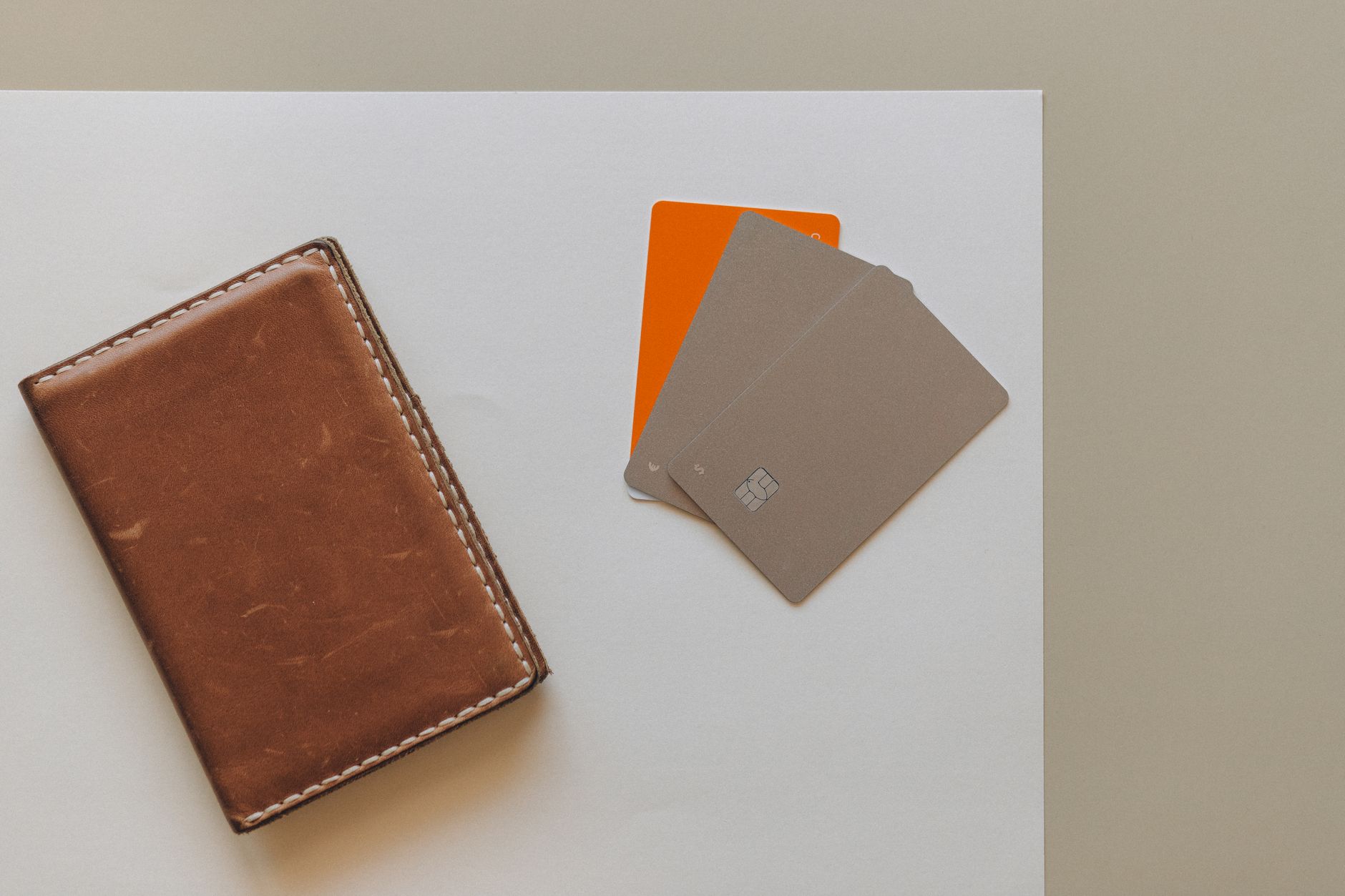
Photo by Nataliya Vaitkevich on Pexels