
 Bradley Bryant
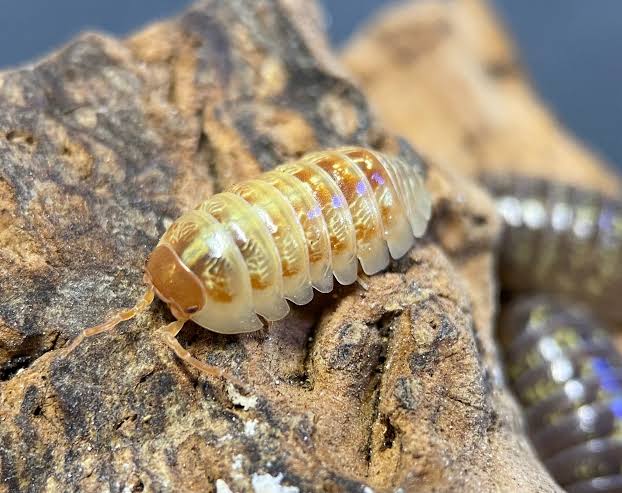
Tiny creatures called isopods catch attention for their easy maintenance requirements and actions. Learning about an isopod helps newcomers grasp its body, everyday activities, and natural habitat function. PostPods provides innovative teaching strategies that make learning more fun for inquisitive students observing these little animals.
What About Isopods Fascinating Animals?
These little creatures feature many legs and robust outer shells. Their movements and patterns provide newcomers with easy techniques to investigate animal life.
Which Indicators Point to Appropriate Living Conditions?
Normal hiding behaviors and regular movement can provide helpful hints. Keep an eye out for these signals:
- Regular motion at regular times.
- Access to shaded, hidden locations.
- Retaining some moisture in the ground material.
- Inside the enclosure, no standing water.
- Reliable surroundings free from abrupt changes.
Naturally, what do isopods feed on?
Many isopods eat rotting vegetation. Their eating patterns aid in the decomposition of dead material and the release of beneficial minerals back into the environment.
For isopods, why is wetness important?
Moist surroundings help these animals keep from drying out. Normal mobility and daily activity depend on the right moisture balance.
How may novices see isopods?
Close observation enables students to identify body parts and movement. Additionally lowering the possibility of hurting these tiny creatures is gentle handling.
Learning Feeding Habits for Novices
Observing feeding behavior helps students learn about natural behavior. PostPods can help to strengthen learning by means of concise care notes and observational suggestions:
- Provide acceptable deteriorating plant matter.
- Get rid of extra trash as required.
- Watch feeding activity changes.
- Stay away from adding excessive material.
- Maintain the area’s hygiene.
What keeps isopods active?
Regular activity depends on adequate cover and constant wetness. Their reaction to variations might help novices learn about their basic requirements.
How long may isopods live?
The species and living circumstances will help to answer the question of how long do isopods live. Tracking development and noting variations in activity helps newcomers to learn more:
- Before predicting lifetime, determine the species.
- Note visible patterns of development.
- Keep appropriate conditions for living.
- Keep from constant interruptions.
- Look for trustworthy care information.
Patience and regular attention are the foundations of effective isopod care. Before modifying the surroundings of their chosen species, novices ought to grasp its demands. Clear instructional direction in PostPods can help to develop basic knowledge. Close observation, appropriate cover, balanced moisture, and responsible practices help to build a basis for keeping these little animals in good shape.